We provide professional mold inspections and remediation services that protect property owners from the serious risks associated with improper mold removal and untreated contamination.
When mold appears, many homeowners and business owners are tempted to handle the problem themselves. Store-bought sprays, bleach solutions, and online tutorials often make mold cleanup seem simple and inexpensive. The reality is far different. DIY mold removal can be dangerous, ineffective, and costly in the long run. Mold is not just a surface issue — it is a biological contaminant that spreads easily and poses real health and structural risks when handled incorrectly.
Mold reproduces through microscopic spores that travel through the air. When disturbed, these spores become airborne and settle in new areas, starting fresh growth. Scrubbing, wiping, or tearing out materials without proper containment often causes spores to spread throughout the property.
Without professional containment systems like negative air pressure and HEPA filtration, DIY attempts can turn a small mold problem into widespread contamination. What starts in one bathroom or closet can quickly affect multiple rooms, HVAC systems, and shared airspaces.
One of the most common mistakes in DIY mold removal is relying on bleach or general cleaning products. While these products may lighten stains on the surface, they do not penetrate porous materials like drywall, wood, insulation, or carpet.
Mold roots itself deep within materials. Cleaning only the visible growth leaves the underlying contamination untouched, allowing mold to return stronger than before. This creates a false sense of security while the problem continues to grow behind walls or under flooring.
Professional mold remediation focuses on removing contaminated materials when necessary and addressing the moisture source that allows mold to survive.
Mold exposure can trigger respiratory issues, headaches, skin irritation, and allergic reactions. Individuals with asthma, compromised immune systems, or pre-existing health conditions are especially vulnerable.
DIY removal often exposes people directly to high concentrations of mold spores without proper personal protective equipment. Disturbing mold releases spores into breathing zones, increasing the risk of inhalation. Without sealed containment, these spores can linger in the air long after cleaning appears complete.
Professional technicians use respirators, protective suits, and controlled work zones to protect both occupants and themselves during the remediation process.
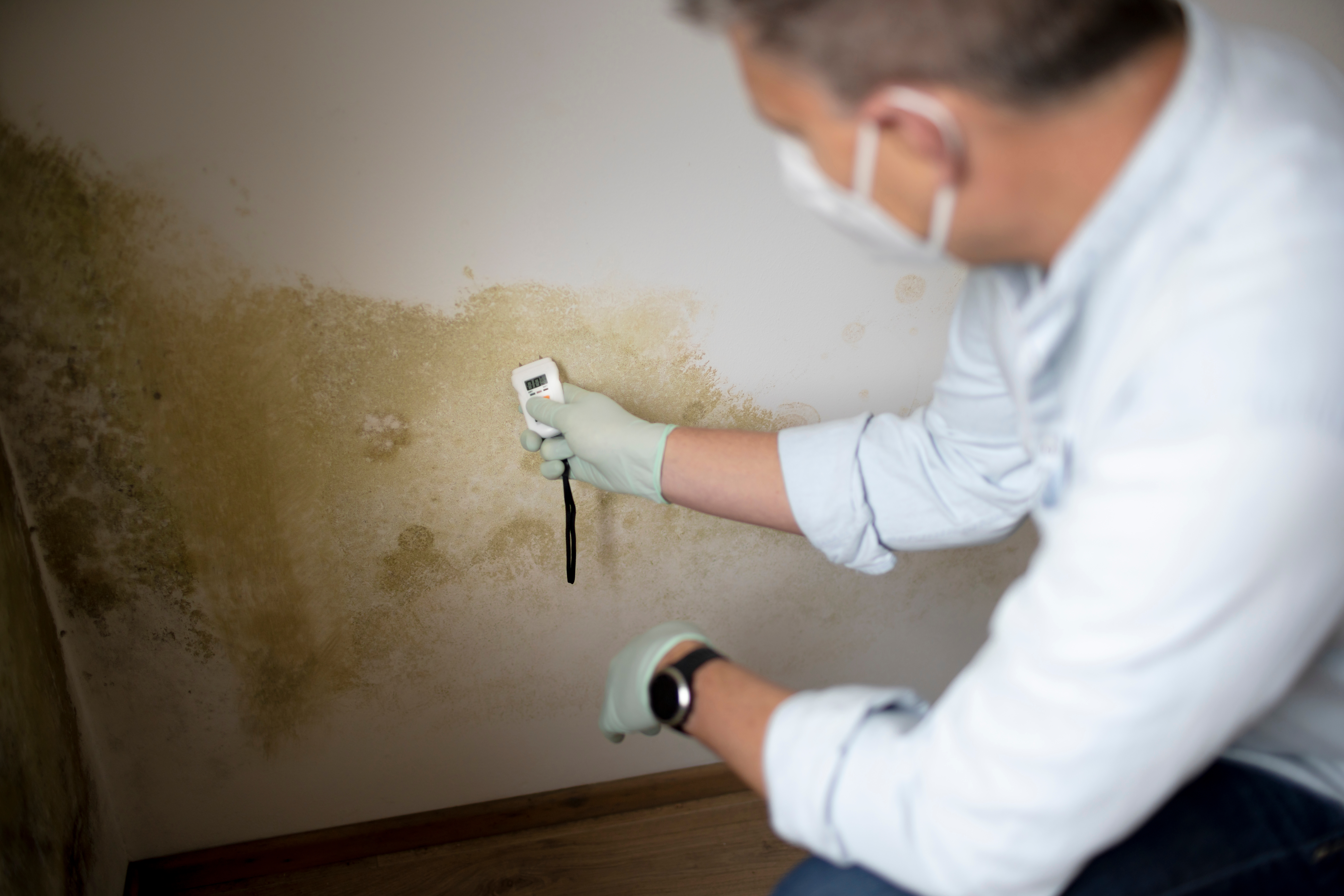
Visible mold is often only a small part of the problem. Mold frequently grows behind drywall, under cabinets, beneath flooring, and inside insulation. DIY cleanup typically focuses on what can be seen, leaving hidden contamination untouched.
Without moisture detection tools, thermal imaging, and professional inspection techniques, it is nearly impossible to identify the full scope of mold growth. This allows mold to continue spreading quietly, leading to structural damage and recurring odors long after surface cleanup.
Mold cannot grow without moisture. DIY efforts often focus on cleaning mold rather than fixing the underlying water issue. Leaks, humidity problems, poor ventilation, or past water damage must be resolved to stop mold from returning.
Professional remediation includes identifying and correcting moisture sources, whether from plumbing leaks, roof damage, condensation, or humidity control issues. Without this step, mold removal is temporary at best.
This is why water damage restoration and mold remediation often go hand in hand when moisture has been present.
Improper removal methods can damage building materials and weaken structural components. Scraping drywall, tearing out flooring, or using excessive moisture during cleaning can cause additional harm.
Porous materials that are heavily contaminated often need to be safely removed and replaced. DIY removal without proper procedures can compromise walls, ceilings, and flooring, increasing repair costs and delaying full restoration.
Professional teams follow industry standards to remove damaged materials safely while protecting the rest of the structure.
Many insurance policies require professional documentation and certified remediation for mold-related claims. DIY removal can complicate or invalidate coverage by eliminating evidence of damage or failing to follow approved procedures.
Without proper documentation, property owners may be responsible for repair costs that could have been covered. Professional remediation provides clear records, photos, and reports that support insurance claims when applicable.
For business owners, DIY mold removal carries even greater consequences. Mold can impact employee health, disrupt operations, and create liability risks if customers or tenants are exposed.
Improper cleanup can lead to regulatory concerns, complaints, and potential legal issues. Professional remediation helps protect businesses by ensuring mold is removed safely and according to recognized standards.
One of the clearest signs that DIY mold removal is ineffective is repeat growth. If mold keeps coming back, it means the source was never properly addressed.
Recurring mold increases costs over time, damages materials further, and worsens air quality. Professional remediation is designed to stop mold permanently by removing contamination and controlling moisture conditions.
Certified mold remediation is not just about cleaning — it is about containment, safety, proper removal, and long-term prevention. Professionals use specialized equipment, follow strict protocols, and restore affected areas correctly.
This approach protects occupants, prevents cross-contamination, and preserves the value of the property.
When you need mold removed safely and completely, S.W.A.T. Restoration is ready to help. Our team provides certified mold remediation, detailed inspections, and full restoration services to stop mold at the source and prevent it from returning. We handle containment, removal, moisture control, and repairs with precision and care.
If you’re dealing with mold or considering a DIY cleanup, getting professional help first can save time, money, and serious health risks. Contact S.W.A.T. Restoration today to schedule an inspection and protect your property the right way.
© 2025 SWAT Restoration