
We provide professional mold inspections and remediation services that help homeowners and business owners detect mold early, stop its spread, and protect their property and health before costly damage occurs.
Mold problems rarely begin with dramatic signs. In many cases, mold develops quietly behind walls, under flooring, or in poorly ventilated spaces long before it becomes visible. Learning how to spot mold early gives you a major advantage, allowing you to take action before contamination spreads, air quality drops, and repairs become extensive. Early detection saves time, money, and stress while protecting the people who live or work in the space.
One of the earliest indicators of mold is a persistent musty odor. This smell often lingers even after cleaning and tends to become stronger in enclosed areas such as bathrooms, closets, or basements. Odors are often present long before mold becomes visible, making them a critical early warning sign.
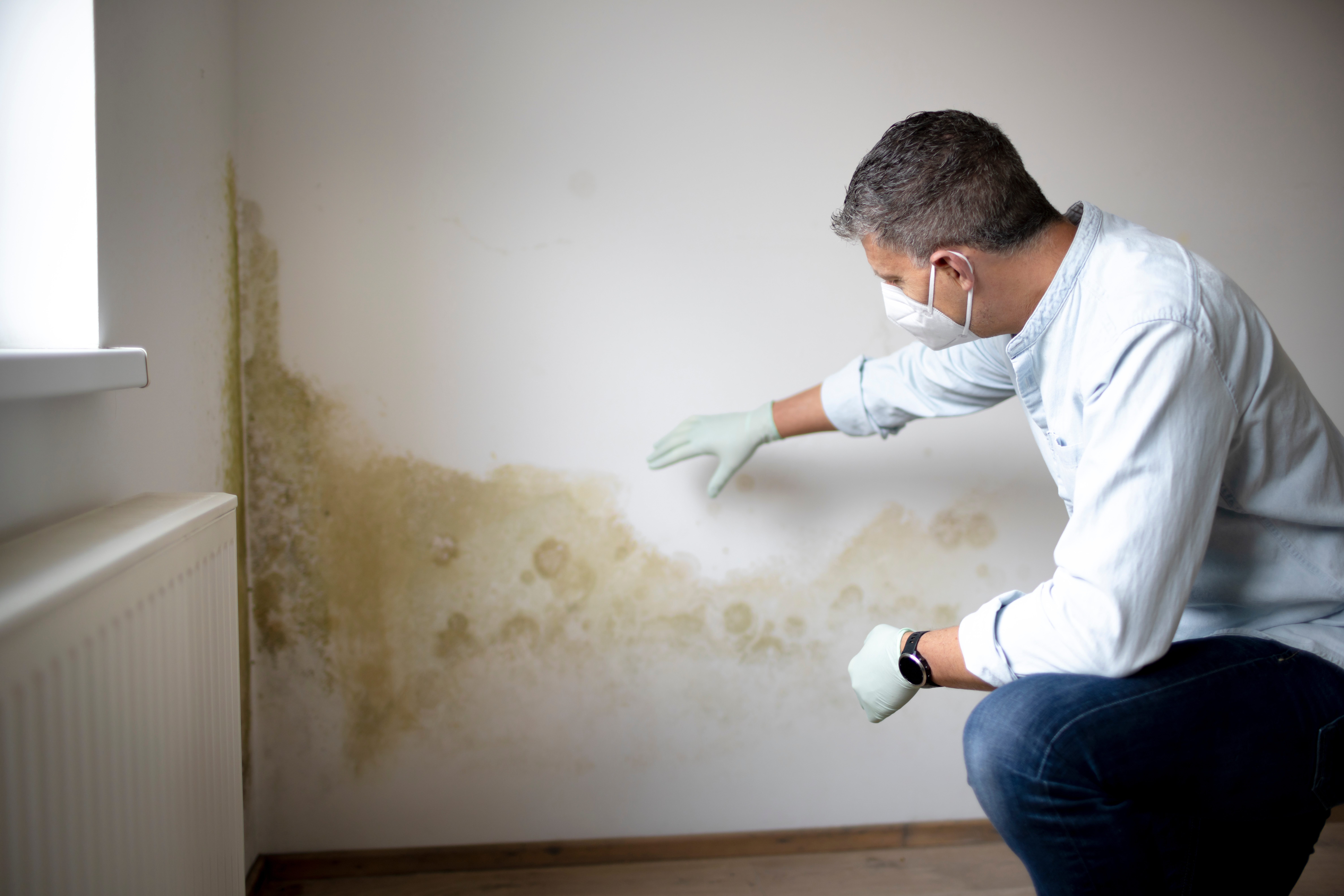
Discoloration on walls, ceilings, or baseboards is another clue. Mold does not always appear black or green. It can present as white, gray, brown, or yellow patches that may look like dirt or water stains. Areas that appear to darken over time or return after cleaning should never be ignored.
Unexplained allergy symptoms can also signal hidden mold. Frequent coughing, sneezing, congestion, headaches, or skin irritation that improves when you leave the property may point to indoor mold growth affecting air quality.
Bathrooms are a common breeding ground due to constant moisture and limited ventilation. Mold often grows behind toilets, beneath sinks, around shower grout, and above ceilings where steam collects. Even well-maintained bathrooms can hide mold behind walls if ventilation is insufficient.
Basements and crawlspaces provide ideal conditions for mold growth. These areas tend to trap moisture from groundwater, foundation leaks, or humidity. Mold frequently grows on wooden framing, insulation, and stored belongings long before it becomes noticeable upstairs.
Attics are another overlooked area. Roof leaks, poor insulation, and temperature changes create condensation that feeds mold. Dark staining on attic wood or insulation can indicate mold that spreads downward over time.
Mold needs moisture to grow, and even minor water issues can create the perfect environment. Small plumbing leaks, dripping HVAC units, appliance malfunctions, or roof damage often go unnoticed until mold has already taken hold.
After water damage, mold can begin developing within 24 to 48 hours. Drying visible surfaces alone is rarely enough. Moisture trapped behind walls, under flooring, or inside insulation can fuel mold growth for weeks. This is one reason professional water damage restoration plays such an important role in preventing mold problems.
Humidity also contributes to mold spread. Indoor humidity levels above 60 percent allow mold spores to settle and multiply. Without proper airflow and dehumidification, mold can grow even without a visible leak.
Peeling paint or bubbling drywall often points to moisture trapped beneath the surface. These changes may appear cosmetic at first but often indicate hidden water damage and mold growth behind the wall.
Warped flooring, especially laminate or hardwood, can signal moisture below the surface. Mold frequently develops under flooring where it remains undisturbed and unseen for long periods.
Condensation on windows or pipes can also point to humidity problems. Repeated condensation in the same areas creates damp surfaces where mold spores thrive.
DIY mold detection only goes so far. Professional mold inspections use moisture meters, thermal imaging, and air sampling to detect mold that cannot be seen. These tools help identify the source of moisture and the full scope of contamination.
Certified technicians also know how to differentiate mold from harmless substances like dirt or residue. Misidentifying mold can lead to unnecessary panic or, worse, ignoring a serious issue.
Professional inspections are especially important after flooding, plumbing failures, roof leaks, or long-term humidity issues. They help confirm whether mold is present and determine the safest path forward.
If you notice signs of mold, avoid disturbing the area. Scrubbing or removing materials can release spores into the air, allowing mold to spread to unaffected areas.
Increase ventilation if possible and address obvious moisture sources. Shutting off leaking water lines or improving airflow can help slow mold growth while you wait for professional help.
Document visible damage and odors, especially if insurance coverage may apply. Photos and notes help support claims related to mold remediation and water damage restoration.
Catching mold early prevents structural damage, preserves indoor air quality, and reduces restoration costs. Mold left untreated can compromise drywall, wood framing, insulation, and flooring, leading to extensive reconstruction.
Early remediation also protects occupants. Mold exposure can aggravate respiratory conditions and cause long-term health concerns, especially for children and older adults.
Taking action at the first signs gives you control over the situation rather than reacting once the problem has spread throughout the property.
If you’re looking for a reliable way to identify and stop mold before it spreads, S.W.A.T. Restoration is ready to help. Our team provides thorough inspections, expert mold removal, and complete restoration services designed to protect your home or business from further damage. We identify the source, remove contamination safely, and restore affected areas the right way.
When early detection matters, having experienced professionals on your side makes all the difference. Contact S.W.A.T. Restoration today to schedule an inspection and take the first step toward a cleaner, safer property.

© 2025 SWAT Restoration